Key Takeaways
- Safety comes first: Evacuate the structure if there’s any sign of structural compromise, gas leak, or electrical hazard.
- Document everything immediately: Photos, videos, and written notes strengthen your insurance claim and support emergency removal approvals.
- Emergency tree work can begin before opening a claim: You do not need to wait for an adjuster inspection with your carrier before hiring a crew. Tree removal is essential mitigation to make the home safe and prevent further structural damage.
- Call your insurance carrier before hiring removal crews: Most policies cover emergency tree removal when a tree damages a covered structure.
- Hire insured, experienced tree professionals: Improper removal can worsen damage and create liability issues. Choose a crew that understands proper insurance documentation.
- South Metro Atlanta cities have different emergency permitting rules: Clayton, Cobb, Fulton, and DeKalb counties each handle emergency tree work differently.
- Keep all receipts and reports: Insurers require invoices, arborist documentation, and proof of emergency to process claims smoothly after work is completed.
A tree falling on your house is one of the most stressful situations a homeowner can face. In South Metro Atlanta, where mature oaks, pines, and poplars dominate residential landscapes, severe weather, disease, or root failure can turn a beautiful tree into an expensive emergency overnight. Knowing exactly what to do in the first hours and days can mean the difference between a smooth insurance claim and a costly, drawn-out nightmare.
This article walks through the critical steps every South Metro Atlanta homeowner should take when a tree falls on the house, from immediate safety actions to insurance documentation and hiring an experienced tree removal firm in South Metro Atlanta, GA. Following these steps will help you respond quickly, safely, and effectively.
Immediate Safety Steps When a Tree Falls on Your House
Your first priority is the safety of everyone in the household. A fallen tree can compromise structural integrity, rupture gas lines, or expose live electrical wires.
- Evacuate If There’s Any Doubt About Safety
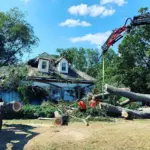
If the tree has crushed part of the roof, broken through walls, or caused visible structural damage, get everyone out of the house immediately. Do not re-enter until a qualified professional confirms it’s safe. Even if the damage looks minor, hidden structural issues can make the building unstable.
- Check for Gas, Electrical, and Utility Hazards
Fallen trees often snap utility lines, creating additional hazards beyond the structural damage. If you smell gas, hear hissing, or see sparking wires, leave the property and call 911 and your utility provider immediately. Do not attempt to move branches or debris near live wires yourself, as this can result in serious injury or death.
- Secure the Perimeter
Keep family members, pets, and neighbours away from the fallen tree and damaged areas, since falling limbs or shifting debris can cause serious injury. If possible, cordon off the area with caution tape or barriers until professionals arrive.
- Call Emergency Services If Needed
If anyone is injured, or if there’s an immediate threat such as a gas leak or downed power line, call 911 right away. Emergency responders can secure the scene and coordinate with utility companies to eliminate hazards before removal work begins.
Document the Damage Thoroughly
Once everyone is safe, your next priority is documentation. Insurance companies require clear evidence of the damage and the circumstances surrounding the tree fall.
- Take Comprehensive Photos and Videos
Take photos and videos of the fallen tree from multiple angles. Capture its position on the house, roof damage, broken windows, and any interior damage visible from outside. Photograph the tree’s base and root system if accessible, as this can help determine whether the tree was healthy or diseased before falling.
- Write Down What Happened
Note the date, time, and weather conditions when the tree fell. Was there a storm? High winds? Heavy rain? This context matters for insurance adjusters determining whether the fall was weather-related or due to neglect.
- Keep Records of All Communications
Save every text, email, and note from phone calls with insurance representatives, tree companies, and contractors. These records can be crucial if there are disputes about coverage or costs.
Contact Your Homeowners Insurance Carrier
Most standard homeowners insurance policies in Georgia cover tree removal when a tree damages a covered structure, such as your house, garage, or fence. However, your contractor understanding how emergency mitigation works will help you avoid unnecessary delays during a crisis.
You Do Not Have to Wait for an Adjuster
While it is helpful to notify your carrier as soon as you believe you are opening a claim, you do not need to speak with your carrier or wait for an adjuster to inspect the property before hiring a tree service. When a tree falls on a home, it poses an immediate hazard. Standard policy language covers mitigation work—meaning the tree must be removed promptly to stabilize the property, make the area safe, and allow structural repairs to begin.
How Emergency Billing Works
During major storms, insurance carriers are often overwhelmed, leaving homeowners unable to reach an adjuster right away. You can have an emergency tree service perform the removal immediately. An experienced tree service can complete the work, tarp the roof, and issue an invoice directly to you and your carrier to wait for a claim number to be assigned.
As long as the tree service documents the damage properly, understands emergency billing procedures, and bills in a reasonable and customary fashion, the policy will cover what it is obligated to cover regardless of whether an adjuster inspected the property prior to removal.
Notify Your Carrier When Possible
Report the claim as soon as you are reasonably able to do so. Provide them with your documentation and photos, and inform them that emergency mitigation work is under way or has been completed to protect the structure.
Hire a Qualified, Insured Tree Removal Professional
Not all tree companies are equipped to handle emergency removals from damaged structures. Choosing the wrong crew can worsen damage, delay your claim, or create liability issues.
- Verify Insurance and Licensing
Ensure the tree company carries general liability insurance and workers’ compensation. Ask for proof of insurance before work begins. Tree removal companies in Georgia don’t need a state licence, but many cities in South Metro Atlanta require business licences or permits for emergency work.
- Look for Emergency Experience
Removing a tree from a damaged house often times requires specialised rigging, crane work, and structural awareness. Choose an established company that understands how to properly document storm damage and file customary insurance paperwork on your behalf.
- Always sign a contract
It is never prudent to have work performed without assigned contract. A contract clearly states expectations and obligations. A good contract indicates rates, costs, and scope of work that will be performed.
Preventing Future Tree Falls on Your Home
While you can’t control severe weather, you can reduce risk through proactive tree care.
- Schedule Regular Arborist Inspections
A certified arborist can identify structural weaknesses, disease, or root issues before they become emergencies. Annual inspections are recommended for mature trees near structures.
- Prune for Structure and Health
Proper pruning reduces wind resistance and removes dead or weak limbs that could fail during storms. Avoid topping, which creates hazardous regrowth.
- Monitor for Warning Signs
Leaning trunks, large dead branches, fungal growth at the base, or heaving soil around roots can indicate impending failure. Address these issues promptly.
- Consider Removal of High-Risk Trees
If a tree is diseased, structurally compromised, or poorly positioned near your home, proactive removal may be safer and cheaper than emergency removal after failure.
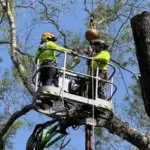
When a tree falls on your home, 770-Tree-Guy can provide 24/7 emergency tree removal across South Metro Atlanta, including Peachtree City, Fayetteville, Jonesboro, and surrounding communities. Our team can quickly assess the situation, identify hazards, and determine the safest removal method based on the tree’s position and damage to the structure. For complex removals, 770-Tree-Guy has a 40-ton crane, specialised lifting equipment, and ISA-certified arborists to handle large trees near homes and other structures.
We thoroughly document storm damage with photos and can invoice directly to the insurance companies on covered emergency claims, completing necessary mitigation work right away so you don’t have to wait for an adjuster. With emergency dispatch available around the clock, homeowners can get professional help without attempting a dangerous removal themselves.
Frequently Asked Questions About Tree Falls on Houses in South Metro Atlanta
Does homeowners insurance cover tree removal if it falls on my house?
Yes, most standard policies cover emergency tree removal when a tree damages a covered structure. Coverage limits and deductibles vary by policy.
What if the tree falls but doesn’t hit my house?
If the tree falls in your yard without damaging a structure, removal is typically not covered unless it blocks a driveway or handicapped access.
Who removes the tree if it’s from my neighbor’s property?
Your insurance generally covers removal and repairs regardless of where the tree originated. Your carrier may pursue subrogation against your neighbour’s insurance if negligence is proven.
How quickly should I get the tree removed?
As soon as it’s safe and you’ve documented the damage. Emergency removal prevents further structural damage and is usually covered by insurance.
Can I remove the tree myself to save money?
No. Removing the tree from a damaged structure is dangerous and can worsen the damage if done improperly. Always hire insured professionals.
What if my insurance denies the claim?
Review the denial reason carefully. If the tree was known to be hazardous and you neglected it, coverage may be denied. Appeal with arborist reports or seek legal advice if needed.
Summary Checklist: After a Tree Falls on Your House
| Factor | Why It Matters | What to Do |
| Safety first | Prevent injury or further damage | Evacuate if structural compromise exists |
| Document damage | Support insurance claim | Take photos, videos, and written notes |
| Call insurance | Activate coverage quickly | Report the claim and ask about emergency removal |
| Hire qualified professionals | Avoid worsening damage | Verify insurance, experience, and written estimates |
| Know local rules | Avoid permit violations | Check city and county emergency tree ordinances |
| Keep records | Speed up claim processing | Save all receipts, reports, and communications |
Final Advice
When a tree falls on your house in South Metro Atlanta, act quickly but methodically. Prioritise safety, document everything, contact your insurance carrier immediately, and hire experienced, insured tree professionals. Understanding your local city’s emergency tree rules can prevent costly permit violations.
770-Tree-Guy provides 24/7 emergency tree removal across South Metro Atlanta, with experienced crews trained in safe, insured emergency work. Our team can help document damage, coordinate with insurance adjusters, and ensure your emergency removal complies with local regulations.
Reviewed by a Certified Arborist
This article has been reviewed by a certified arborist to ensure the information on emergency tree removal, safety considerations, and insurance guidance is accurate and helpful.